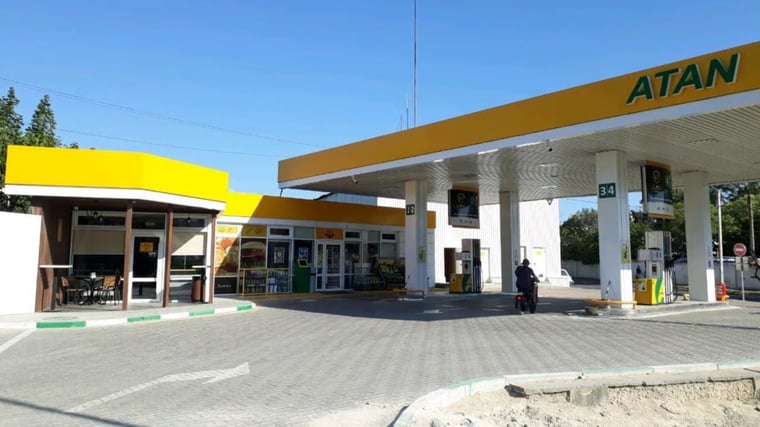
Petrol stations in Moscow and St. Petersburg begin rationing fuel amid fears of nationwide shortage

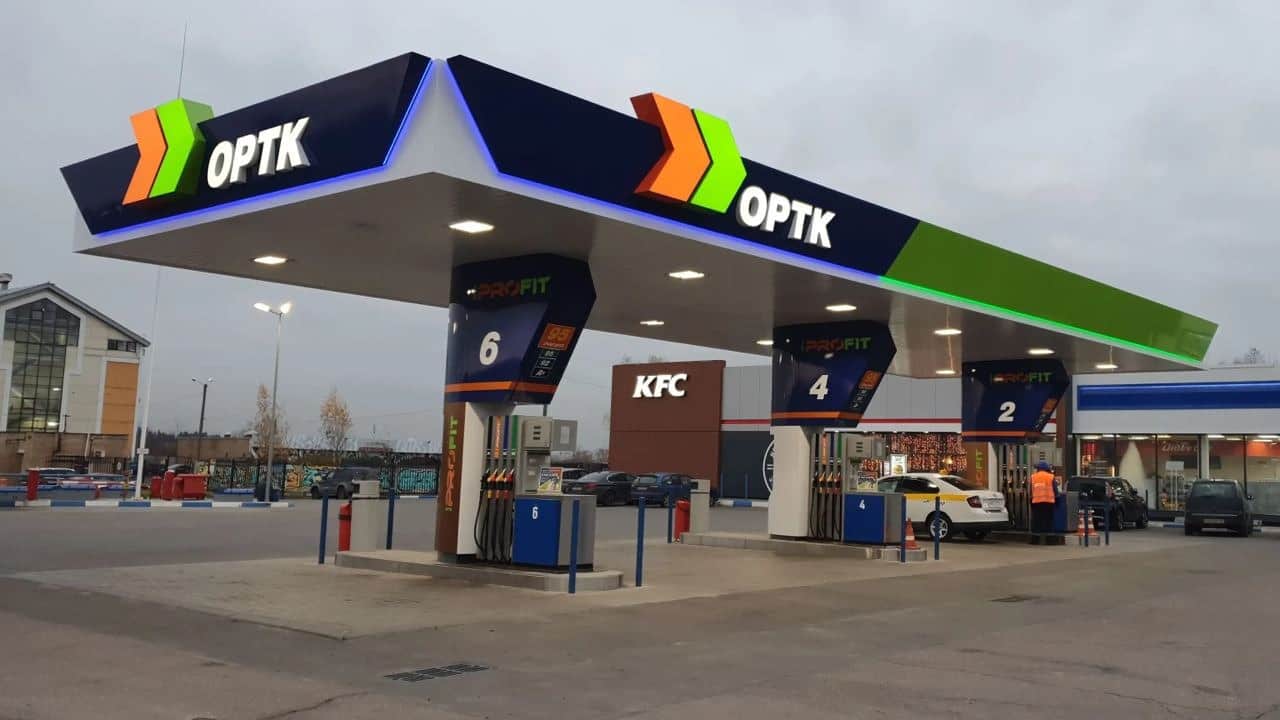
Several petrol station operators in Russia’s two largest cities, Moscow and St. Petersburg, have begun rationing fuel due to “current market conditions” and “temporary logistical issues”, local media reported on Wednesday.
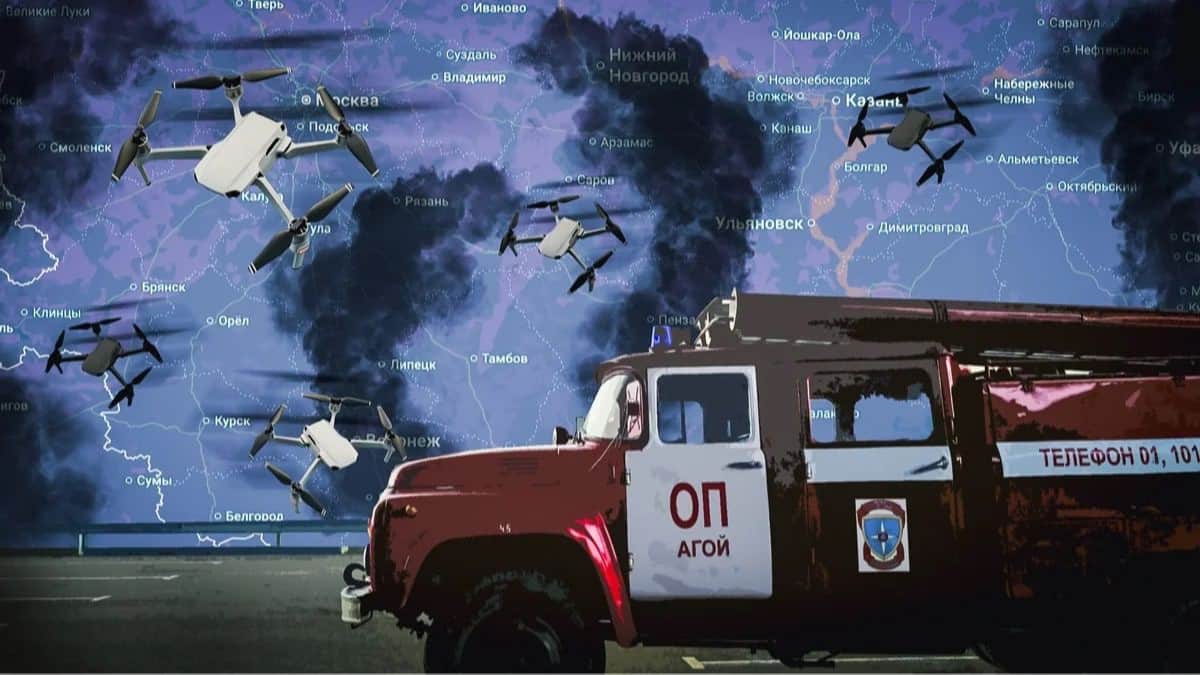
The reports come amid fears of a nationwide fuel shortage in Russia, sparked by severe restrictions on petrol sales imposed in Russian-occupied Ukraine earlier this week, recent rises in fuel prices, and supply problems caused by long-range Ukrainian drone attacks on Russia’s energy infrastructure.
The introduction of fuel rationing in Moscow was first reported by local news outlet MSK1 on Wednesday morning, with temporary restrictions confirmed by several energy companies in the capital region.
Since Saturday, Moscow petrol stations owned by regional operator ORTK have allowed customers to purchase only 60 litres of petrol and 100 litres of diesel at a time. Those operated by national energy corporations Lukoil and Gazprom have also imposed limits of between 100 and 150 litres per customer.
ORTK’s press office blamed their restrictions on “current market conditions” in Russia, adding that they would remain in effect “until the situation stabilises”. Two further operators contacted by MSK1 — Rosneft and Tatneft — said that they had not imposed fuel rationing in their Moscow networks, but may introduce restrictions “depending on the situation”.
On Tuesday evening, the St. Petersburg publication Fontanka reported that similar restrictions had been introduced in the Leningrad region which surrounds Russia’s second city, citing several complaints from local residents “since the end of last week”.
Local operator KirishiAvtoService, a subsidiary of the region’s main oil refinery which has come under repeated attack from Ukrainian drones, confirmed that a limit of 50 litres of petrol per customer had been imposed at certain stations in their network near St. Petersburg.
Stations in the region operated by Rosneft have also introduced rationing, currently at 95 litres of petrol per customer. One source told Fontanka that supply issues around St. Petersburg were due to “temporary logistical issues”, as petrol previously sourced from the Kirishi refinery now had to be transported from further afield.
Last month, Kremlin spokesperson Dmitry Peskov acknowledged that the production of petrol may have declined “in certain areas”, but insisted that there was no risk of a nationwide fuel shortage despite repeated Ukrainian drone attacks.
Nonetheless, Russia has maintained a blanket ban on petrol exports since April, and on Monday the Kremlin widened the ban to include the export of aviation fuel “to ensure stability in the domestic market”.