Fleeing to free Ukraine
How young Ukrainians escape Russian occupation — often against their families’ wishes

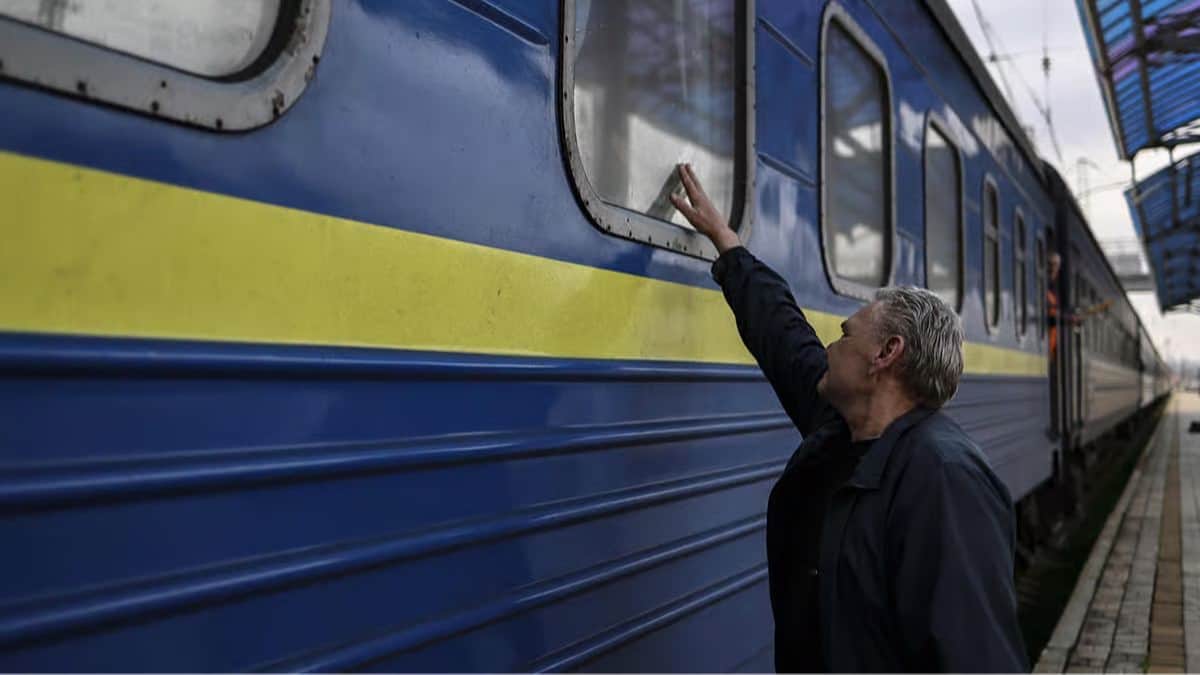

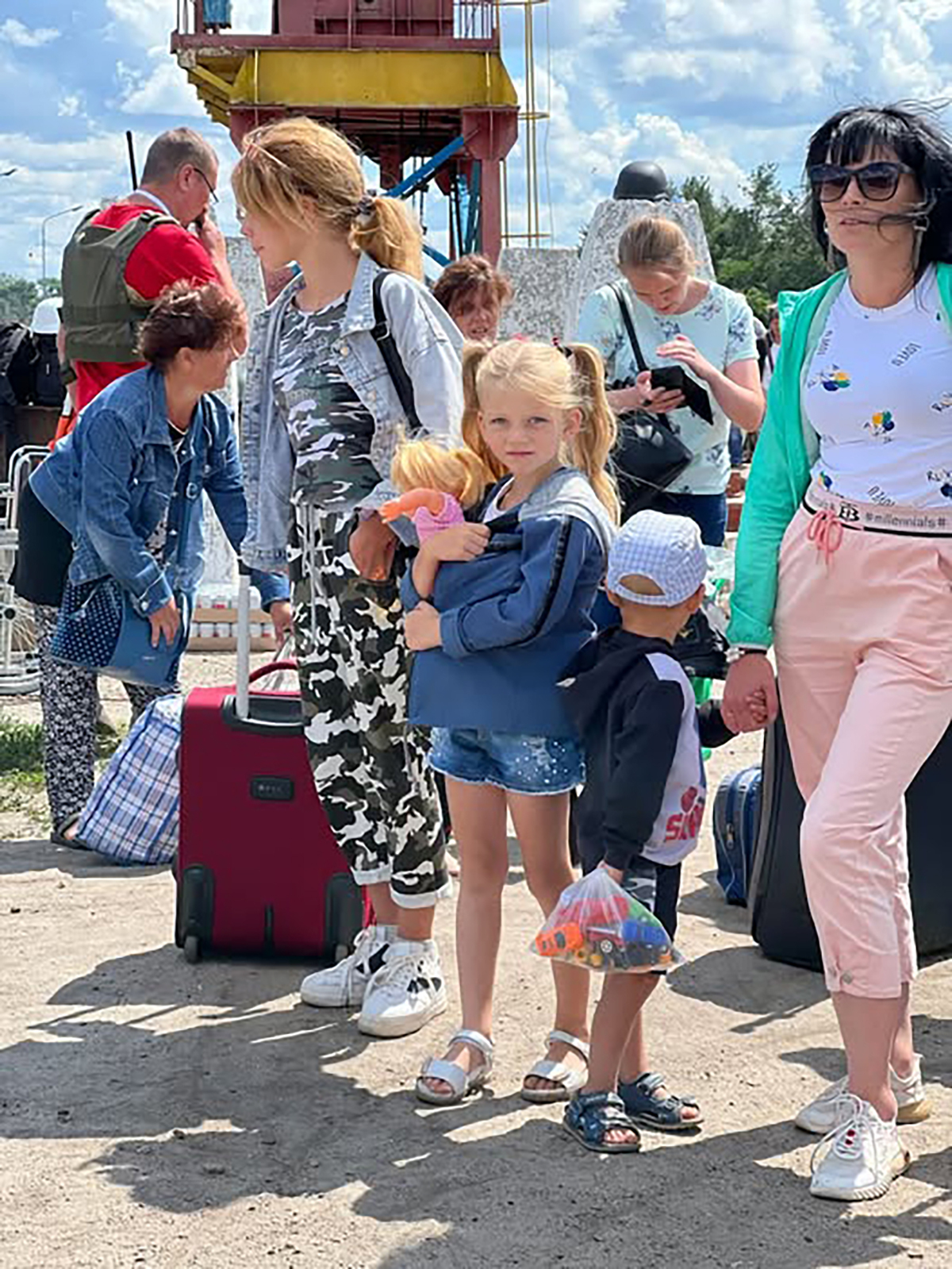
Thousands of Ukrainians are currently living under Russian occupation — including an untold number of young people who want to escape. Dina Urich is part of a group of volunteers working to evacuate people safely, often against their families’ wishes. In the summer of 2022, in conditions of active combat, her team managed to evacuate 16,000 civilians from the occupied Kharkiv region in a span of three months. She then went on to help residents of the Donetsk, Luhansk, Zaporizhzhia, and Kherson regions, as well as Crimea, overseeing evacuations with an organisation called Helping to Leave. In 2025, after stepping away for six months due to an illness, she helped found a new charity, Plakhta, and turned her focus to helping Ukrainian teenagers and young people leave the occupied territories for free Ukraine. Ukrainian news outlet Novosti Donbassa spoke to Dina about the challenges and rewards of the work she does. Novaya Gazeta Europe shares an abridged translation of that story.
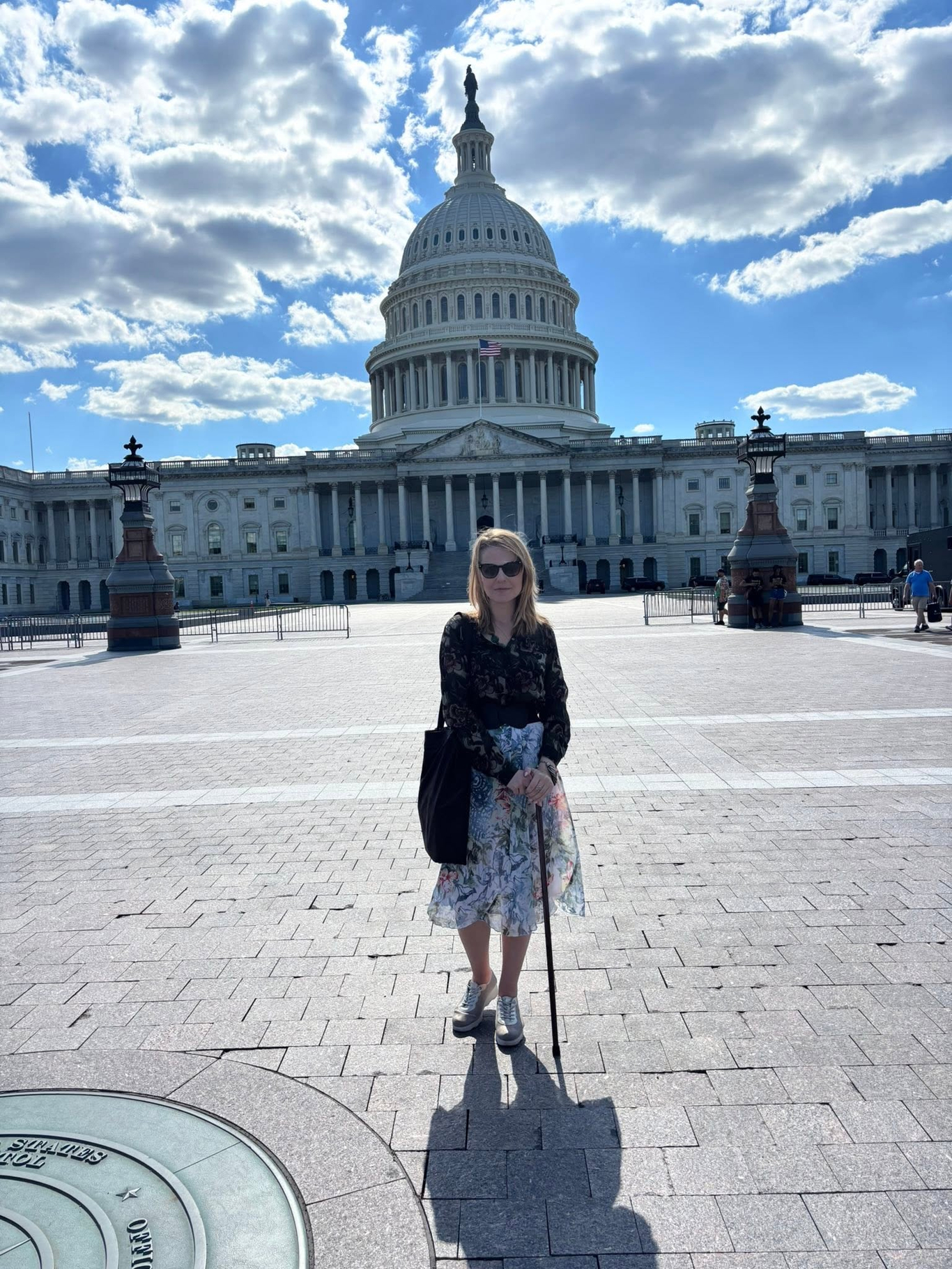
“In 2022, my team and I organised a corridor across the Pechenihy dam out of the occupied parts of the Kharkiv region, building it almost from scratch. We put together convoys online, found drivers, set meeting points. We worked closely with the Ministry of Reintegration of the Temporarily Occupied Territories and with local Kharkiv charities that received people once they got out.”
“Actually, it’s much the same now, with the young people who want to leave the temporarily occupied territories. The Russians don’t want to let them go — they check their phones for contact with Ukraine, for political views, for any communication with Ukrainian volunteers. That’s a real risk. We have to think through every detail so the occupiers never find out.”
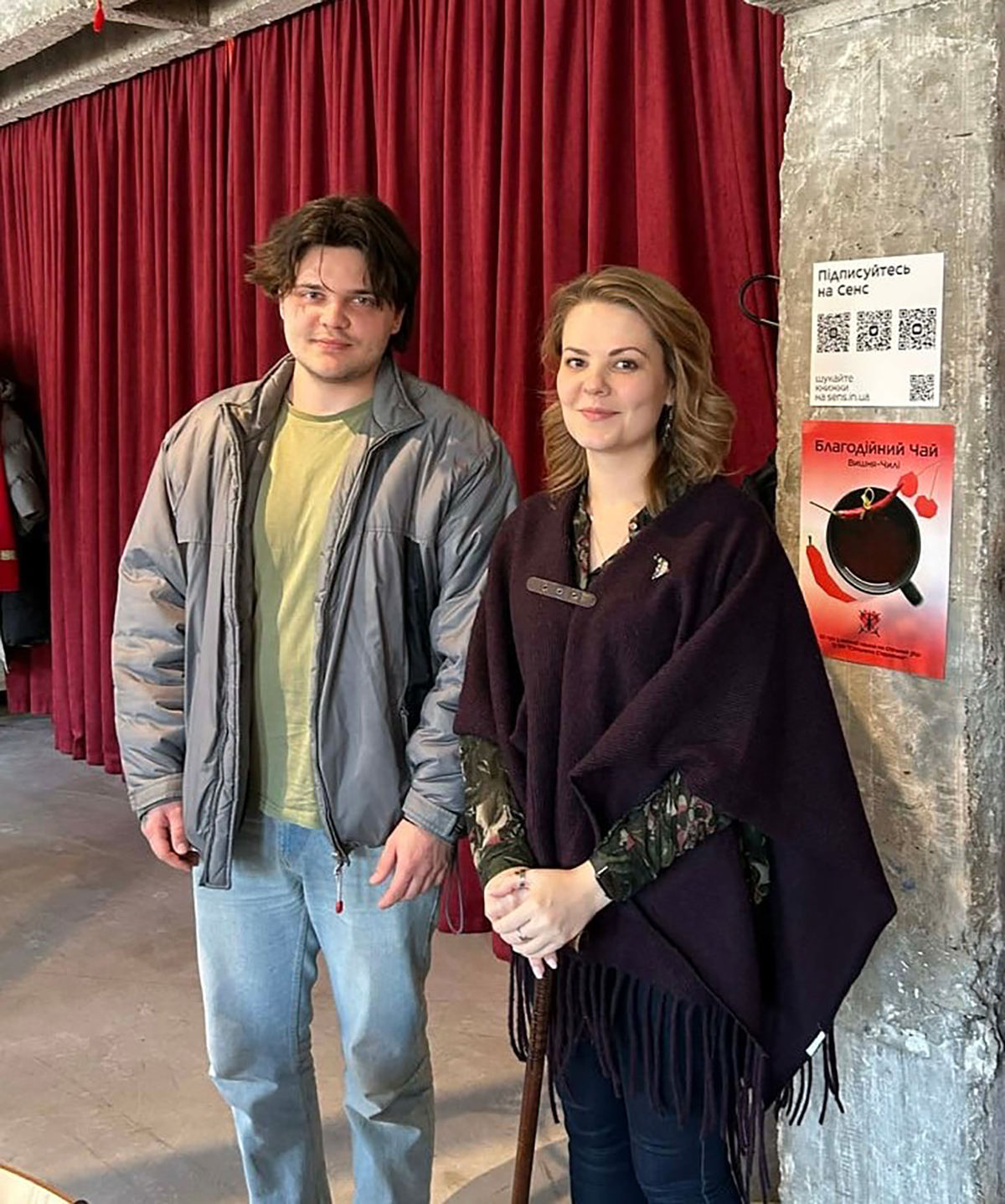
“If you look at the dates people cross the border, you’ll sometimes see someone’s birthday was the 5th and they crossed on the 7th. That means everything was already planned and prepared — the person reached out to volunteers in advance, got advice, and together we waited until they turned 18.”
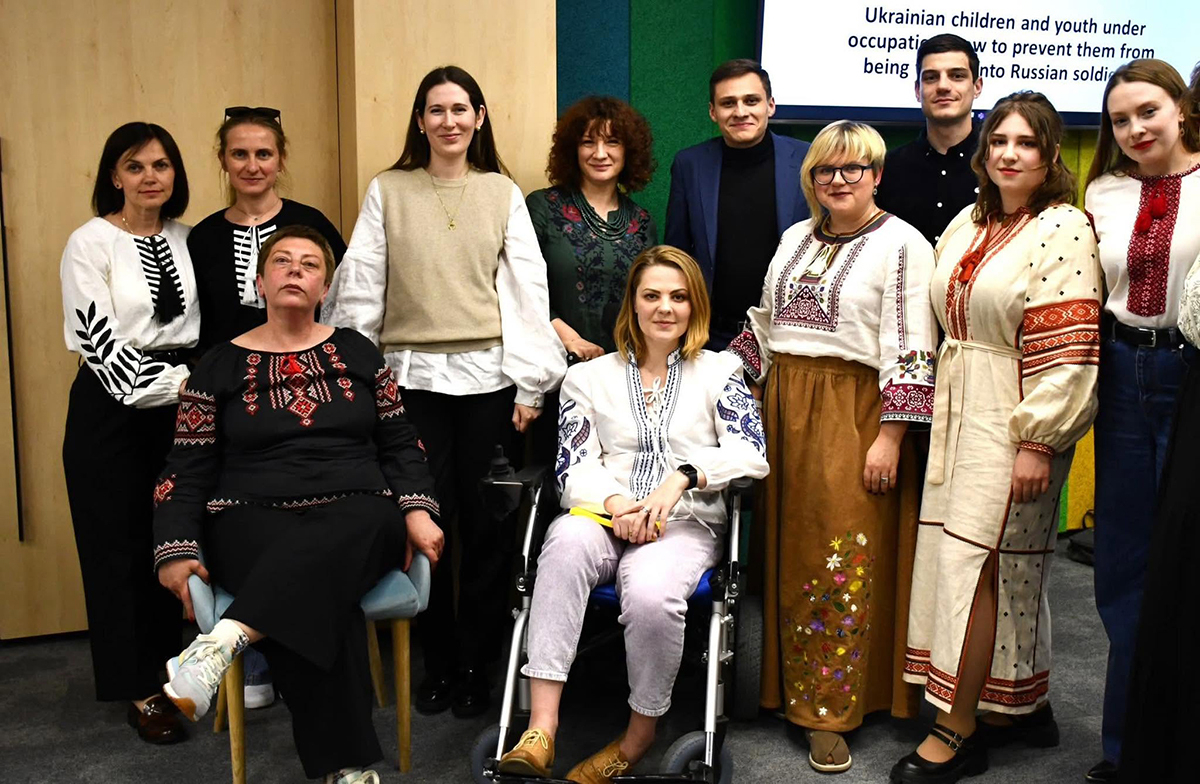
“I started looking on Telegram for the right group, and it said the humanitarian corridor was closed. But there was a link there to a group for people leaving through the Mokrany–Domanove crossing point. I wrote in with my story — first I ran into commercial drivers, but after my next message two volunteers answered, one of them Dina. They told me it was possible and that I qualified for a free evacuation because of my age. We made a plan, and starting in December I began getting ready to leave.”
“So it turns into a quest to prove your own identity, and by law the circle of people who can serve as witnesses is limited mostly to close relatives. And those are almost always the very people whose wishes the young person defied by leaving the occupied territory.”
“You know, a lot of the people who’ve made it out come back to us to become volunteers themselves, to help others through the first hard days after their return. And that’s wonderful. Their stories give me such joy that I just keep going — I can’t stop. And that, really, is the answer to why I do this work, and why it’s young people, especially, that I care about.”